The Clear Difference Between Wired and Wireless Security Camera Setups
Understanding wired vs wireless CCTV systems starts with one simple idea. Wired systems use physical cables to send video and power. Wireless systems use Wi-Fi to send video, but they still need power from a battery or outlet. Both can work well. The right choice depends on your building, internet strength, and security goals.
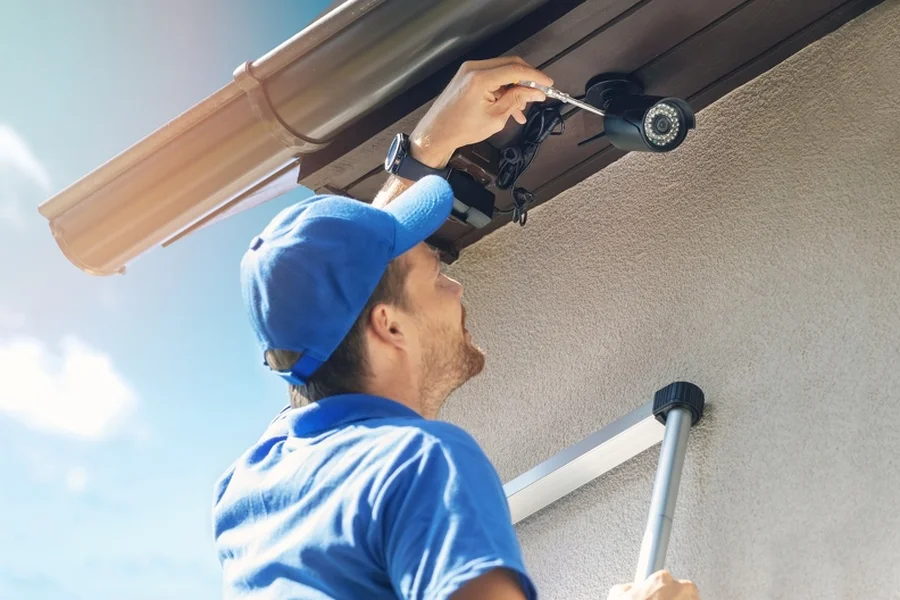
Wired Vs Wireless: What Really Sets Them Apart
The biggest difference is how the cameras connect to the recorder and network. In wired CCTV installation, each camera connects to a recorder using cables. This often gives a steady and reliable video feed. Wireless systems send footage through your Wi-Fi network. That can make setup faster but also depends on signal strength.
Wired systems are common in large buildings. Offices, schools, and warehouses often choose them. Wireless systems are popular in homes and small stores where running cables may be harder.
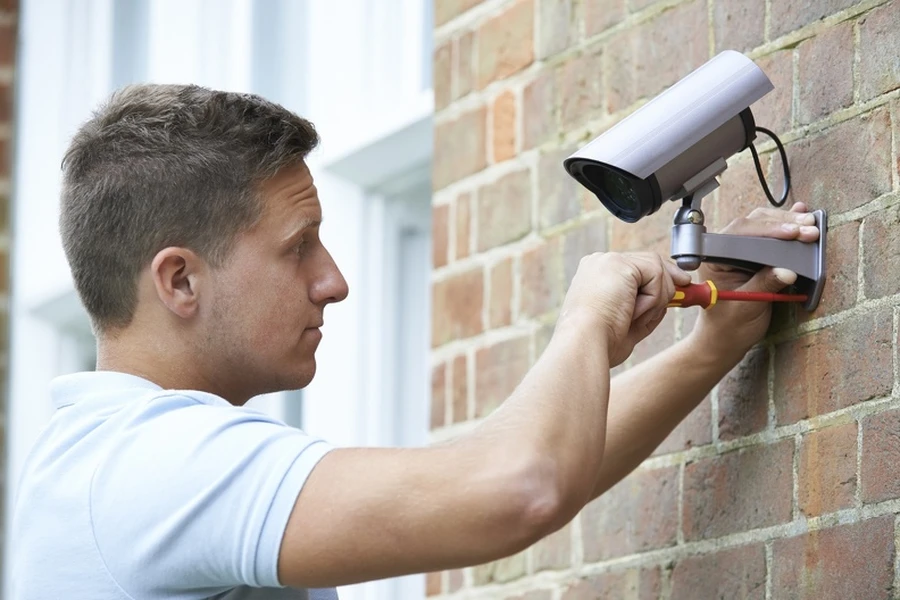
Pros and Cons of Each Option
Both types have strengths and limits. Here is a simple breakdown.
- Wired systems – Pros: steady signal, high video quality, less Wi-Fi interference
- Wired systems – Cons: longer installation time, visible cables if not hidden well
- Wireless systems – Pros: quicker setup, flexible camera placement, less drilling
- Wireless systems – Cons: depends on strong Wi-Fi, possible signal drops, batteries may need charging
When planning CCTV installation, it helps to think about long-term use. A wired setup may take more work at first but need fewer adjustments later. A wireless system may be easier to move if your layout changes.
Which System Fits Your Situation Best?
The best choice depends on your space and needs.
If you own a large commercial building, wired cameras are often a better fit. They handle many cameras at once. They also work well for 24/7 recording.
If you rent a small office or apartment, wireless cameras may make more sense. You can install them with less damage to walls. They are easier to remove if you move.
Here are a few common scenarios:
- Large warehouse with many entry points: wired system
- Small retail shop with strong Wi-Fi: wireless system
- Home with detached garage: depends on distance from router
- Temporary office space: wireless system
Internet speed also matters. Weak or unstable Wi-Fi can cause frozen images or delays in wireless cameras. In that case, a wired CCTV installation may give better results.
Mistakes People Make When Choosing
One common mistake is thinking wireless means no wires at all. Most wireless cameras still need power cables unless they run on batteries. Another mistake is ignoring storage needs. High-definition cameras use more data. Your recorder or CLOUD plan must handle that.
Some people also forget about future growth. You may start with four cameras but need eight later. Make sure your system can expand.
It is also smart to think about placement. Thick walls, metal shelves, and large equipment can block Wi-Fi signals. In those cases, wired cameras may be more stable.
Final Decision Checklist
Before choosing your system, ask yourself:
- How large is the property?
- How strong and stable is the Wi-Fi?
- Do I need 24/7 continuous recording?
- Will I expand the system later?
- Am I allowed to drill and run cables?
Answering these questions can guide your decision. Both systems can protect your property when installed correctly. The goal is reliable coverage, clear video, and minimal downtime.
Get Expert Help With Your Security Setup
If you are planning a system in Alexandria, VA, we can help you choose the right setup for your layout and security needs. At Your Camera and TV Heroes, we handle wired and wireless CCTV installation for homes and businesses of all sizes. Call us at (571) 406-4778 to schedule a consultation and let us design a system that fits your space and budget.