Constant Alerts and Live Data Help Catch Threats the Moment They Appear
How real-time security monitoring improves threat detection comes down to speed and visibility. When systems are watched live, problems are spotted the second they happen. That means faster alerts, faster response, and less damage. Instead of finding out hours later, you know right away. This quick action can stop data loss, break-ins, and system downtime before they grow.

What Real-Time Monitoring Actually Does
Security monitoring tracks activity across your network, devices, cameras, and alarms. With real-time tools, this data is checked as it happens. The system looks for unusual behavior, failed login attempts, unknown devices, and other warning signs.
For example, if someone tries to log into your system 20 times in one minute, the system flags it. If a door sensor triggers after hours, alerts are sent. If a server starts sending data at 3 a.m., the activity is reviewed right away.
This constant watch reduces gaps where threats can hide.
What You Need Before Setting It Up
Before using security monitoring tools, you need a few basics in place:
- Stable internet connection
- Updated hardware and software
- Strong passwords and access controls
- Clear rules for who receives alerts
- A response plan for emergencies
Without these basics, alerts may be missed or ignored. A clear plan helps your team react quickly instead of scrambling.
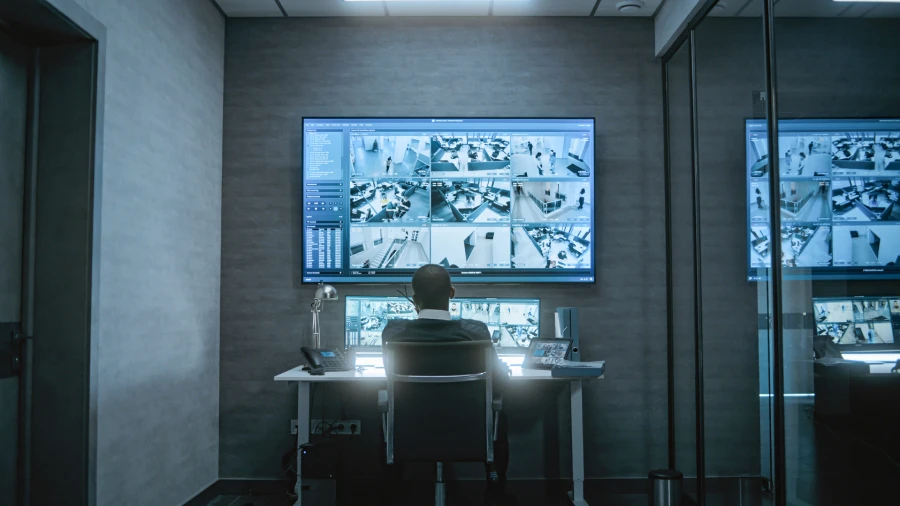
How Real-Time Security Monitoring Improves Threat Detection Step by Step
The process works in a simple flow. Each step builds on the one before it.
- Data collection: Sensors, cameras, and network tools gather activity data.
- Instant analysis: The system checks for unusual patterns or rule breaks.
- Alert trigger: When something looks wrong, alerts go out by text, email, or app.
- Human review: A trained person checks the alert to confirm the threat.
- Action taken: Steps are taken to block access, contact authorities, or shut down systems.
This fast chain of events cuts down response time. Instead of reacting hours later, action happens within minutes.
Common Mistakes That Weaken Detection
Even good systems can fail if they are set up poorly. Here are common problems:
- Too many alerts that cause people to ignore warnings
- Outdated software that misses new threat types
- Alerts sent to only one person
- No clear response plan
- No regular testing of the system
When alerts happen too often without review, teams stop paying attention. That is called alert fatigue. Clean system settings and routine checks help keep alerts meaningful.
When It Is Best to Call a Professional
Small systems may be easy to manage. Larger businesses often need help. If you manage sensitive data, customer payment information, or large facilities, expert setup can make a big difference.
A professional team can match tools to your specific risks. They fine-tune security monitoring rules, reduce false alarms, and set up backup systems. They also stay up to date with new threat methods.
This support helps protect both digital assets and physical property.
Why Speed Makes All the Difference
Threats move fast. Hackers can scan systems in seconds. Physical intrusions take minutes. Without live monitoring, damage grows quietly.
Real-time security monitoring improves threat detection because it shrinks the gap between threat and action. That gap is where most damage happens. When the gap is small, risk drops.
Think about a water leak sensor. If you know about the leak right away, you turn off the valve. If you learn about it the next day, floors and walls may already be damaged. Security works the same way.
Protect Your Business With Smarter Monitoring
Businesses in Alexandria, VA face many types of risk, from network attacks to after-hours break-ins. Real-time visibility helps stop those problems early. Our team at Your Camera and TV Heroes builds security monitoring systems that fit your property and your daily operations. We test alerts, adjust settings, and create clear response plans so nothing is left to chance. If you want stronger threat detection and faster response, call us at (571) 406-4778 to schedule a consultation.